Sloth Doing Yoga: A Watercolor Animals Review
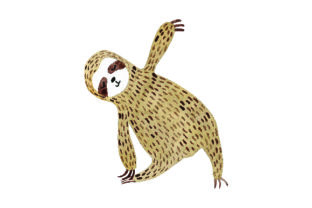
I recently opened a new file for a client who runs a boutique wellness studio specializing in slow living and mindfulness. The brief was specific: they needed visuals that felt organic, calming, and slightly whimsical to distinguish their brand from the sterile, corporate aesthetic dominating the yoga industry. That is when I discovered Sloth Doing Yoga - Watercolor Style. As a graphic designer who constantly sifts through creative marketplaces for the perfect element, my first impression of this asset was one of immediate relief. It captures a mood of gentle humor and tranquility without feeling cartoonish or overly childish.
The visual language here is distinct. The watercolor texture provides a softness that digital vector art often lacks, creating an emotional appeal that resonates with audiences seeking authenticity. When you look at the Animals category in design libraries, you often find hyper-realistic renders or flat icons. This piece bridges the gap, offering an illustration that feels hand-painted yet polished enough for commercial use. For a small business branding project, this kind of nuance is critical. It signals to the customer that the brand values craftsmanship and a slower pace of life, aligning perfectly with the client's mission statement.
Integrating the Asset into Real Client Workflows
In my workflow, I rarely use a single clipart element in isolation. Instead, I evaluate how it interacts with typography, layout, and other design assets. Sloth Doing Yoga - Watercolor Style performs exceptionally well as a hero graphic for social media graphics. Imagine a Pinterest pin or an Instagram post where the sloth anchors the composition, surrounded by plenty of negative space and a delicate script font. The watercolor bleed adds depth, making the image pop against clean backgrounds while maintaining a cohesive, modern design feel.
Beyond social media, this asset translates beautifully into physical products. I can already visualize this as a central element for a t-shirt design targeting yoga enthusiasts who appreciate irony and relaxation. The soft edges of the watercolor style make it ideal for sublimation designs on mugs or tote bags, where the texture mimics real fabric dye. For packaging design, particularly for handmade soaps or essential oils, this illustration serves as a charming label detail that elevates the perceived value of the product. It moves the item from a generic commodity to a thoughtful gift, which is exactly what Etsy product sellers need to drive sales.
For those working with Cricut projects or printable wall art, the versatility of this image is a major plus. If the file includes high-resolution PNG layers, it becomes a staple for sticker design collections. Stickers are a massive market right now, and a character like a yoga-slothing sloth has broad appeal across different demographics, from students to wellness coaches. The key is ensuring the resolution holds up when scaled down for small stickers or blown up for large posters.
Strategic Placement and Visual Hierarchy
While the charm of Sloth Doing Yoga - Watercolor Style is undeniable, a professional designer knows that context is everything. This asset works best in large layout areas where the watercolor details can be appreciated. It shines as a decorative accent in editorial design, such as a magazine feature on mental health or a blog post about productivity hacks. In these scenarios, it breaks up dense text and invites the reader to pause, reinforcing the message of the content.
However, there are situations where this asset should be used carefully. Avoid placing it in crowded layouts or against complex, busy backgrounds. The subtle gradients and soft edges of the watercolor technique can get lost if the surrounding elements compete too aggressively. Furthermore, this is not the right choice for minimalist branding that relies on stark geometric shapes or ultra-clean lines. It also may not fit professional corporate materials where a more serious tone is required. Visual hierarchy is paramount; if the sloth distracts from the primary call to action or the main headline, it has failed its purpose.
Readability is another factor to consider. When pairing this illustration with text, ensure there is sufficient contrast. The pastel tones common in watercolor styles might struggle against light cream or white backgrounds if not adjusted. Always test the design in black and white to check the tonal range. If the image disappears or blends into the background in grayscale, you will need to adjust the opacity or add a drop shadow to maintain separation.
Technical Checks Before Commercial Use
Before finalizing any design for a client, I run a rigorous technical check. First, inspect the file formats. Is this a high-quality SVG design that allows for infinite scaling, or is it a raster PNG design? For print-on-demand sellers, vector files are preferred for crisp edges, but for artistic effects, a high-DPI PNG is often better. If you plan to use this for a logo design, you must ensure the vector paths are clean and editable. Complex watercolor textures sometimes result in messy vector nodes that are difficult to manipulate later.
Check the transparency. A transparent background is non-negotiable for most marketing visuals. If the PNG has a white box around the sloth, it limits your ability to place it on colored backgrounds or patterned paper mockups. Preview the asset at various sizes—both tiny (like a favicon or app icon) and massive (like a billboard or banner). Does the watercolor texture remain smooth, or does it pixelate?
Typography pairing is equally important. This whimsical illustration pairs naturally with handwritten fonts or rounded sans serif fonts. It clashes with heavy, aggressive display fonts or traditional serif typefaces that suggest formality. Experiment with different combinations to see what enhances the overall impression of professionalism. Finally, and most importantly, confirm the commercial license. Never use a digital product for a client project without verifying that the license covers resale, merchandise, and unlimited impressions. Using an asset without the proper rights can lead to legal issues and damage your reputation as a designer.
In conclusion, Sloth Doing Yoga - Watercolor Style is a robust addition to any design bundle focused on wellness, nature, or playful creativity. It offers a unique blend of humor and serenity that can transform a standard project into something memorable. Whether you are creating a Canva template, designing a product mockup, or building a brand identity for a handmade business, this asset provides the emotional hook needed to engage your audience. Just remember to apply sound design judgment regarding placement, contrast, and licensing to ensure the final result is both beautiful and legally sound.