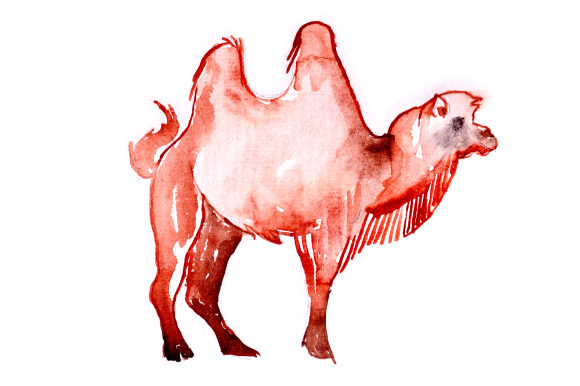
Camel in Watercolor: A Review for Animals Blog Graphics
As a digital publisher who has spent years curating visual assets for high-traffic content sites, I know that the difference between a casual blog and a trusted authority often comes down to editorial design. When I first opened the file for Camel in Watercolor, my immediate reaction was one of relief. In a landscape saturated with sterile stock photography and over-saturated vector art, this piece offers a breath of fresh air. It is not just an image; it is a mood setter that instantly elevates the perceived quality of any page it inhabits.
The soft, fluid strokes of the watercolor technique give this graphic a timeless, artistic quality. It feels organic and handcrafted, which is crucial for building reader trust. Unlike rigid corporate illustrations, this asset suggests warmth and approachability. For publishers focusing on lifestyle niches, travel journals, or educational content about nature, this specific style bridges the gap between professional polish and creative expression. It does not scream for attention aggressively; instead, it invites the reader in, creating a sophisticated visual hierarchy that guides the eye without overwhelming the text.
Elevating Editorial Layouts with Artistic Flair
In my workflow, I constantly search for design assets that can serve multiple purposes across a content ecosystem. Camel in Watercolor fits seamlessly into a variety of publishing scenarios. Imagine using this as a featured image for a travel guide about desert landscapes or an educational post about desert fauna. The soft edges of the watercolor blend beautifully with modern web design layouts, allowing headlines to sit comfortably above or beside the illustration without clashing.
For those managing a robust content marketing strategy, this asset is a goldmine for versatility. You can scale it down to create elegant category thumbnails for your website navigation, ensuring that your Animals section looks distinct and curated. On social media platforms like Pinterest, where visual appeal drives click-through rates, this image works exceptionally well as a Pinterest pin. Its artistic nature stands out against the grid of typical stock photos, encouraging users to stop scrolling and engage with your content. Furthermore, if you are designing a digital guide or a lead magnet about wildlife conservation, this illustration serves as a perfect cover element, promising a high-quality reading experience from the very first download.
Strategic Applications for Content Creators
The utility of this graphic extends far beyond simple decoration. Here is how I would integrate it into a real-world publishing schedule:
- Website Headers: Use the full-resolution version as a hero image for landing pages dedicated to travel or nature topics. The white space inherent in watercolor styles allows for clear overlay text, ensuring readability.
- Social Media Graphics: Crop the image for Instagram posts or use it as a background for quote graphics. The texture adds depth that flat colors lack, making your social media graphics feel more premium.
- Email Newsletters: Incorporate the image into newsletter headers to break up text-heavy updates. A splash of color and artistry increases open rates and keeps subscribers engaged.
- Affiliate Marketing Visuals: If you are reviewing travel gear or books about animals, use this as a supporting visual. It creates a cohesive look that aligns with your brand identity while highlighting your affiliate products.
- Digital Products: Include it in printable designs, such as coloring books for kids or wall art for home decor shops. As a printable design, the watercolor aesthetic is highly marketable to parents and teachers.
Impact on Reader Trust and Brand Identity
One of the most critical aspects of running a monetized website is establishing credibility. Generic clipart can make a site look amateurish, driving visitors away before they even read your headline. Camel in Watercolor solves this problem by providing a layer of sophistication. When readers see consistent, high-quality imagery, they subconsciously associate that quality with the information you provide. This is the essence of strong brand identity.
For small business owners and creative entrepreneurs, using unique design assets like this helps differentiate your brand in a crowded marketplace. It signals that you care about the details. Whether you are selling a digital product or running an affiliate blog, the visual presentation is your first sales pitch. This asset ensures that pitch is polished, professional, and memorable. It supports a narrative of expertise and care, which is essential for converting casual browsers into loyal readers or customers.
Navigating Limitations and Best Practices
While I am a fan of this asset, experienced designers know that no single image works everywhere. There are specific contexts where Camel in Watercolor should be used with caution. For instance, avoid using it as a tiny mobile thumbnail where the delicate brushstrokes might blur or become indistinguishable. Similarly, if your website relies on a very strict, minimal visual system with stark black-and-white contrasts, the soft hues of this watercolor might feel slightly out of place unless carefully balanced.
It is also less suitable for serious corporate niches or heavy industrial topics where a more technical or photographic style is expected. In those cases, the playful and artistic nature of the watercolor could undermine the seriousness of your message. Always test the asset in context. Preview it inside your actual blog layout to ensure the colors do not clash with your existing theme. Check how it looks on both desktop and mobile screens, as responsive design can sometimes alter the perception of intricate details.
Technical Considerations for Publishers
Before integrating any new graphic into your workflow, there are practical steps you must take. First, verify the commercial license. Ensure you have the right to use this image on monetized websites, in affiliate pages, or within paid content products. Using assets without proper licensing can lead to legal issues and damage your reputation.
Next, consider file size and performance. High-resolution images are great for print, but they can slow down your website if not optimized. Compress the image properly for web use to maintain fast load times, which is a critical factor for SEO and user experience. Test the image with various font styles—serif, sans serif, script, and display fonts—to see which pairing creates the best visual harmony. Finally, try viewing the image in black and white to ensure the composition holds up even when color is removed, which is useful for certain print applications or accessibility features.
Ultimately, Camel in Watercolor is a powerful tool for anyone looking to enhance their digital presence. It transforms standard blog posts into engaging visual stories and turns basic newsletters into professional publications. By leveraging this asset effectively, you can create a cohesive, attractive, and trustworthy online environment that resonates with your audience and supports your long-term publishing goals.