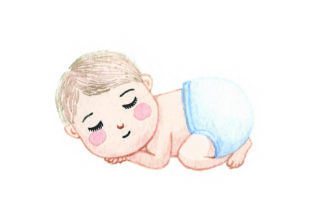
Reviewing Newborn Baby - Watercolor for Real Stitching
As a designer who has spent years digitizing and testing machine embroidery designs, I have learned that the gap between a digital preview and a finished product is often where projects succeed or fail. When I first loaded the Newborn Baby - Watercolor file into my editing software, my initial reaction was cautious optimism. Watercolor aesthetics are notoriously difficult to translate into thread because the medium relies on soft gradients and bleeding edges, while embroidery is inherently structural and linear. However, after running several test stitches and evaluating the design for potential commercial use, I found this piece to be a surprisingly versatile asset for specific niches within the baby and handmade market.
First Impressions and Visual Mood
The immediate mood of Newborn Baby - Watercolor is gentle, nostalgic, and soft. Unlike bold, graphic cartoons that demand high-contrast thread colors, this design leans into subtlety. The layout appears to mimic the fluidity of paint on paper, which suggests that the digitizer has likely utilized a combination of fine running stitches and light fill stitches to create texture without excessive bulk. For embroidery designers, this is crucial. A heavy fill would destroy the "watercolor" illusion, making the design look like a solid block of color rather than an artistic rendering.
The visual personality here is quiet. It does not scream for attention; instead, it invites a closer look. This makes it ideal for projects where elegance and tenderness are the primary selling points. It feels less like a mass-produced graphic and more like a bespoke illustration, which is exactly what modern customers are seeking when they browse Etsy or visit boutique craft fairs.
Real-World Application: The Custom Tote Scenario
To truly evaluate a design, I always imagine it in a real-life production scenario. Recently, I was preparing a custom order for a client wanting a set of personalized tote bags for a baby shower. The brief called for something gender-neutral, sophisticated, and durable. I selected Newborn Baby - Watercolor as the central motif.
Working with canvas tote fabric requires careful attention to stitch density. Because this design appears to have a lighter touch, it sat beautifully on the textured surface of the canvas without causing puckering. The result was a handmade product that looked professional and high-end. The customer was not just buying a bag; they were buying a keepsake. The soft aesthetic of the design elevated the perceived value of the item, allowing for a higher price point than a standard clipart-style embroidery would command.
Versatility Across Product Lines
Beyond tote bags, this design shows strong potential across various categories. For sweatshirt embroidery, the soft lines complement the cozy nature of fleece or cotton blends. It works exceptionally well as a chest pocket accent or a larger back print, provided the hoop size is sufficient to maintain detail clarity. For baby embroidery projects, such as onesies or burp cloths, the gentle theme is perfectly aligned with the target audience. Parents often prefer subtle, artistic designs over loud, character-driven graphics for newborns.
I also see this working well for embroidered patches. If you plan to create iron-on or sew-on patches, ensure you use a sturdy backing stabilizer. The watercolor effect can look charmingly vintage on denim jackets or diaper bags, adding a unique flair to custom apparel.
Technical Considerations and Fabric Choices
While the design is beautiful, it is not without its technical demands. The success of a watercolor-style embroidery relies heavily on thread colors and fabric texture. On dark fabrics, the subtle gradients may get lost unless you use a high-quality underlay or choose lighter thread shades that contrast sufficiently. I recommend testing the design on scrap fabric first, specifically in both black and white mockups, to gauge visibility.
Stretchy fabrics present another challenge. If you are applying this to a knit t-shirt or a stretchy baby grow, you must use a cut-away stabilizer to prevent distortion. The stitch density seems moderate, but any pull from the fabric can warp the delicate edges of the watercolor effect. Always hoop your fabric tightly and consider using a topping if stitching on textured towels or plush blankets to keep the stitches sitting on top of the pile.
Be cautious with very small hoop sizes. If you scale the design down too much, the intricate details that create the watercolor look may merge into a muddy blob. Check the minimum recommended size in your software before committing to a small project like a baby sock or a tiny hat brim.
Enhancing Brand Value and Customer Trust
For Etsy sellers and small shop owners, consistency is key. Using cohesive design assets like Newborn Baby - Watercolor helps build a recognizable brand identity. When customers see a consistent aesthetic across your printable mockup listings and actual photos, it builds trust. They perceive your shop as curated and professional.
This design also enhances giftability. A personalized gift featuring this motif feels thoughtful and exclusive. It moves beyond generic merchandise into the realm of art. For holiday embroidery seasons, such as Christmas or Easter, this design can be adapted with seasonal thread colors to create limited-edition items, driving urgency and engagement among buyers.
Practical Designer Notes
Before you launch this design into your production line, keep these practical tips in mind:
- Check Licensing: Always confirm the license terms. Ensure you have the right to use the digital embroidery file for commercial purposes if you plan to sell finished goods.
- Thread Selection: Use matte threads like rayon or polyester for a softer look that mimics paint. Avoid metallic or highly shiny threads unless you are aiming for a specific decorative accent.
- Stabilizer Choice: Match your stabilizer to your fabric. Tear-away for stable woven fabrics, cut-away for knits, and wash-away for delicate items where no backing should remain.
- Test Stitch: Never skip the test stitch. Run the design on a similar fabric to your final product to check for thread breaks or tension issues.
- Mockups: Use high-quality photos for your listings. Show the design on different backgrounds to help customers visualize the final product.
In conclusion, Newborn Baby - Watercolor is a refined choice for designers who value subtlety and artistic flair. It requires a bit more thoughtfulness in execution than bold, simple designs, but the payoff in aesthetic appeal and perceived value is significant. Whether you are creating a holiday embroidery gift, expanding your craft business inventory, or designing a special finished product for a client, this design offers a sophisticated option that stands out in a crowded market. Treat it with the care it deserves, and it will become a reliable staple in your creative toolkit.