Reviewing Margarita - Watercolor Style for Real Projects
As a designer who has spent years testing machine embroidery designs for both personal joy and commercial viability, I approach every new file with a critical eye. When I first opened the Margarita - Watercolor Style design file, I wasn't just looking at pixels; I was visualizing thread tension, fabric interaction, and the final customer reaction. This piece falls under the Food Amp category, but its artistic execution pushes it beyond a simple icon into something that feels like a genuine art piece ready for stitching.
The First Impression: Art Meets Thread
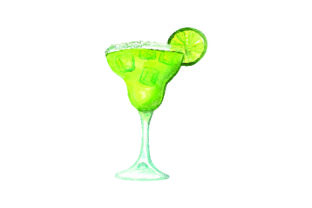
The initial view of Margarita - Watercolor Style immediately evokes a sense of summer leisure and creative relaxation. Unlike rigid, geometric food icons often found in standard libraries, this design captures the fluidity of watercolor paint through digital stitch planning. The layout suggests soft edges and blending colors, which is a challenging aesthetic to translate from a screen to a physical handmade product. The visual personality is light, airy, and inviting, making it an excellent candidate for projects that require a touch of whimsy rather than corporate stiffness.
For an Etsy seller or a boutique owner, the mood this design sets is crucial. It doesn't scream "logo"; it whispers "lifestyle." This distinction is vital when deciding where to place the design on a finished product. The organic shapes imply that the design will perform best on surfaces that allow for some texture, such as canvas tote bags or cotton-blend apparel, rather than stiff, synthetic materials that might clash with the soft aesthetic.
Real-World Application: From Tote Bags to Nursery Decor
To truly evaluate Margarita - Watercolor Style, I imagined a specific scenario: preparing a limited-run collection of custom embroidered tote bags for a local craft fair. In this context, the design shines. The larger scale required for a tote bag allows the intricate details of the watercolor effect to breathe. When you are working on custom apparel like these bags, the goal is often to create a statement piece that stands out in a crowd. This design achieves that by offering a unique visual hook that generic clipart cannot match.
I also considered how this would look on a sweatshirt. Sweatshirt embroidery requires careful attention to stitch density because the fabric can be thick and textured. The Margarita - Watercolor Style appears to utilize a mix of fill stitches and perhaps some running stitch outlines to mimic brush strokes. If the density is balanced correctly, this could result in a stunning personalized gift for someone who loves cocktails or summer vibes. However, if the design is too dense, it could pucker the heavy fleece of a sweatshirt, ruining the drape of the garment.
Another promising avenue is baby items. While a margarita theme seems adult-oriented, the watercolor style itself is incredibly versatile. A modified version, perhaps with softer pastel thread colors, could work beautifully on a nursery pillow cover or a tea towel. The key here is the embroidery project type. For delicate fabrics like those used in baby clothes, the stabilizer choice becomes paramount to prevent the soft stitches from distorting the material.
Navigating Challenges: Where Caution Is Needed
Despite its charm, Margarita - Watercolor Style is not a one-size-fits-all solution. There are specific scenarios where this design needs careful handling. First, consider small hoop sizes. Watercolor effects rely on subtle gradients and overlapping threads. If you attempt to downsize this design significantly for a cap or a small patch, those delicate transitions may turn into muddy blobs of thread. The stitch density could become too high for the available space, leading to thread breakage or poor definition.
Texture is another factor. On highly textured fabrics like terry cloth towels or rough denim, the fine details of the watercolor style might get lost. The uneven surface of the fabric can disrupt the smooth flow of the fill stitch, making the design look less like a painting and more like a random pattern. Similarly, on dark fabrics, the lightness of the watercolor palette might struggle without significant adjustments to the background or the use of a backing sheet.
Curved surfaces present their own set of challenges. Embroidering on a baseball cap requires the design to conform to the curve. If Margarita - Watercolor Style has long, sweeping lines intended to mimic brush strokes, the curvature of a cap could cause the thread to pull tight or shift, altering the intended shape. Always test the design on a scrap piece of the actual fabric you plan to use, especially when dealing with stretchy materials or curved surfaces.
Impact on Brand Value and Customer Perception
For a craft business, the quality of your design assets directly influences customer trust. Using a well-executed design like Margarita - Watercolor Style elevates the perceived value of your products. Customers buying a handmade item expect a level of detail and care that mass-produced goods lack. When they see a design that successfully translates a complex artistic style into thread, it signals professionalism and creativity.
This design has strong potential for commercial embroidery projects, provided you have the rights to sell the finished items. The uniqueness of the watercolor aesthetic helps differentiate your shop from competitors using standard vector graphics. It adds a layer of sophistication that can justify a higher price point. Whether you are selling a digital embroidery file to other makers or creating physical goods for your own store, the visual appeal drives engagement. A beautiful mockup showing this design on a crisp white apron or a cozy throw blanket can stop a shopper in their tracks on social media.
Practical Designer Notes for Success
Before committing to a full production run, I always recommend a rigorous testing phase. Start by printing a black and white mockup to check the contrast and legibility of the shapes. Then, move to the machine. Test Margarita - Watercolor Style on a scrap of your intended fabric with the exact stabilizer you plan to use. Check the thread colors against the fabric background; sometimes a color that looks great on a screen needs a slight adjustment in saturation to pop in real life.
Inspect the small details closely after the first test run. Are the satin stitch edges clean? Is there any pulling around the corners? If the design includes tiny lettering or very fine lines, ensure they remain distinct and do not merge into the surrounding fill. Also, verify the licensing terms. As a professional, you must confirm whether the embroidery file allows for commercial use of the finished product or if it is restricted to personal use only. This is a common pitfall for new small shop owners.
Finally, consider the longevity of the product. Items like kitchen towels or aprons undergo frequent washing. Ensure the stitch density is sufficient to withstand agitation without unraveling, but not so dense that it causes excessive wear on the fabric. By taking these practical steps, you ensure that Margarita - Watercolor Style delivers on its promise, turning a digital concept into a tangible, high-quality finished product that delights customers and strengthens your brand.