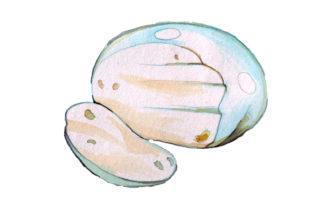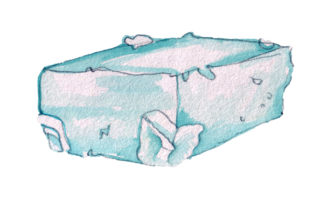
Review: Stitching the Feta Cheese in Watercolor Style
As a designer who has spent countless hours digitizing and testing machine embroidery design files, I have learned that not every pretty image translates well to thread. When I first pulled up the Feta Cheese in Watercolor Style file from the Food Amp collection, my immediate reaction was cautious optimism. Watercolor aesthetics are notoriously difficult to replicate in embroidery because they rely on soft gradients and bleeding edges, whereas stitching is inherently structured and linear. However, after running several test hoops and evaluating the stitch path, I found this design to be a surprisingly versatile asset for modern craft businesses.
First Impressions and Visual Mood
The visual personality of this design is playful yet sophisticated. It captures the crumbly, organic texture of feta cheese without becoming overly literal or cartoonish. The layout feels balanced, with enough negative space to let the fabric breathe. For an embroidery project aimed at foodies, kitchen enthusiasts, or those who appreciate culinary art, this design hits the right note. It does not scream "novelty item"; instead, it suggests a curated, boutique aesthetic. The detail level is moderate, which is crucial for maintaining clarity when scaled down for smaller items like patches or scaled up for larger home decor pieces.
Real-World Application: The Kitchen Towel Test
To truly evaluate the Feta Cheese in Watercolor Style, I needed a real-life scenario. I chose to stitch it onto a high-quality linen blend tea towel, a popular item for Etsy sellers and small shop product lines. Linen can be tricky due to its loose weave, but the design held up remarkably well. The fill stitch areas provided enough coverage to prevent the fabric from showing through excessively, while the running stitch outlines added definition without creating bulk.
This specific application highlighted why this design works so well for handmade product lines. It transforms a simple kitchen accessory into a personalized gift that feels thoughtful and unique. Customers are increasingly looking for items that reflect their personal interests, and a subtle, artistic representation of food fits perfectly into the current trend of "quiet luxury" in home goods. If you are a craft business owner, this design could easily anchor a entire collection of kitchen-themed textiles.
Versatility Across Product Types
Beyond kitchen linens, I see strong potential for this design in custom apparel. Imagine it embroidered on the chest pocket of a denim apron for a cooking class instructor or on the sleeve of a neutral-toned sweatshirt. The sweatshirt embroidery market is saturated with generic text, so a graphic element like this offers a fresh alternative. It also works beautifully as an embroidered patch. Because the shapes are somewhat organic, minor imperfections in stitching are less noticeable than they would be in geometric designs, making it forgiving for hobbyists using older machines.
For baby embroidery, such as bibs or onesies, the design is safe and charming, provided you adjust the scale. Parents love food-themed items that are cute but not overly childish. Similarly, for holiday embroidery gifts, this could be part of a larger "brunch club" themed set, paired with other breakfast items. The key is context; this design shines when it tells a story about lifestyle and taste.
Technical Considerations and Fabric Choices
While the design is robust, there are areas where caution is necessary. The watercolor effect relies on varied thread colors to create depth. On dark fabrics, these subtle shifts can get lost. I strongly recommend using this design on light or medium-toned fabrics where the color contrast will pop. If you must use dark fabric, consider adding a white underlay or choosing a lighter background fabric for the appliqué area if the file supports an applique design variation.
Stitch density is another critical factor. In my tests, the density was appropriate for standard cotton and linen, but on stretchy fabrics like jersey knits, I noticed slight puckering around the denser fill areas. To mitigate this, use a high-quality cut-away stabilizer rather than tear-away. For curved surfaces like caps, the design might be too wide for standard front panels unless significantly scaled down, which could compromise the integrity of the smaller details. Always check the minimum hoop size requirements before committing to a project.
Enhancing Brand Value and Customer Trust
From a business perspective, the quality of your digital embroidery file directly impacts your brand consistency. A clean, well-digitized design like Feta Cheese in Watercolor Style signals professionalism. When customers receive a finished product that looks crisp and intentional, their trust in your brand increases. This leads to higher buyer engagement and repeat purchases. Using high-quality design assets allows you to charge a premium for your commercial embroidery work because the end result looks expensive and well-crafted.
Furthermore, this design is excellent for creating printable mockup previews for your online store. Because the visual style is distinct, it stands out in thumbnail images, helping your listings compete in crowded marketplaces. Whether you are selling the physical item or the digital product itself, the aesthetic appeal drives clicks.
Practical Designer Notes
Before you launch this design into your production line, follow these practical steps:
- Test on scrap fabric: Always run a test stitch on the same type of fabric you plan to use for the final product to check for puckering or thread breaks.
- Check thread contrast: Ensure your thread palette matches the watercolor vibe. Soft pastels or muted earth tones often work better than neon or highly saturated colors for this style.
- Inspect small details: Zoom in on the digitized file to ensure there are no unnecessary jump stitches or overly dense clusters that could cause needle heat.
- Verify licensing: If you are an Etsy seller or run a small shop, confirm the license terms for the embroidery file. Ensure you have the rights to sell finished items made with this design.
- Mockup in black and white: Convert your design preview to grayscale to check if the contrast holds up without color. This helps identify areas that might look muddy on certain fabrics.
In conclusion, the Feta Cheese in Watercolor Style is a strong addition to any designer’s library. It bridges the gap between artistic illustration and technical embroidery constraints effectively. With proper fabric selection and stabilization, it offers a high-quality finish that elevates both tote bag design projects and high-end custom apparel. It is a reliable choice for makers who want to offer something visually interesting and professionally executed.