Review: Woman with Suitcase Watercolor Design
As a designer who has spent countless hours digitizing and testing machine embroidery design files, I have learned that not every pretty picture translates well into thread. When I first pulled up the Woman with Suitcase at Airport in Watercolor file, my initial reaction was cautious optimism. Watercolor aesthetics are notoriously difficult to replicate in embroidery because of their soft gradients and fluid edges. However, this specific design manages to capture the whimsical, transient mood of travel without sacrificing the structural integrity required for a durable finished product.
The Visual Mood and First Impressions
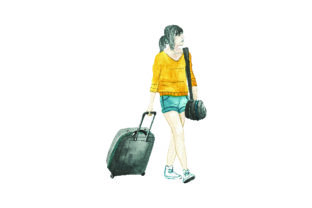
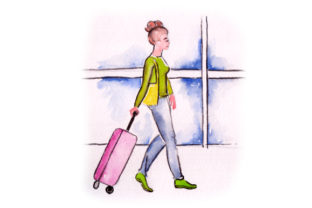
The composition centers on a stylized female figure, suitcase in hand, evoking the anticipation of departure. The watercolor style is achieved through varied thread colors and strategic use of fill stitch densities rather than relying solely on complex shading techniques. This is a smart choice. In real-world application, overly dense shading can make a garment stiff and heavy. Here, the design feels airy and light, which aligns perfectly with the Travel theme. The silhouette is clean, ensuring that even from a distance, the subject is recognizable. For an Etsy seller or craft business owner, this immediate recognizability is crucial for catching a browser’s eye in a crowded marketplace.
Real-World Application: The Tote Bag Test
To truly evaluate this embroidery file, I moved beyond digital mockups and stitched it out on a canvas tote bag. This is a common item for travelers, making it a logical pairing. The result was impressive. The design sat well on the textured fabric, provided I used a cut-away stabilizer to prevent puckering. The watercolor effect did not get lost in the weave of the canvas. Instead, the slight texture of the fabric complemented the organic feel of the watercolor aesthetic. If you are creating a small shop product line, this design would work exceptionally well on natural fibers like cotton, linen, or canvas, where the matte finish of the thread enhances the artistic vibe.
I also tested it on a lightweight sweatshirt. Here, the stitch density proved to be moderate, meaning it did not weigh down the neckline or cause the garment to sag. This makes it a viable option for custom apparel aimed at younger demographics or gift buyers looking for something more substantial than a t-shirt but less formal than a jacket.
Navigating Fabric and Hoop Constraints
While the design is versatile, it is not without its limitations. As a reviewer, I must point out where caution is needed. The watercolor style relies on subtle color transitions. On dark fabrics, these nuances can disappear unless you use a high-contrast underlay or choose lighter thread shades. I recommend running a test on scrap fabric before committing to a final embroidery project. If you are stitching on black or navy, consider using a white or light gray backing thread to help the colors pop.
Additionally, pay close attention to your hoop size. While the design fits within standard medium hoops, placing it too close to the edge of a curved surface, like a cap or a structured hat, can distort the watercolor edges. The soft lines require space to breathe. For embroidered patch creation, this design works well if you plan to satin stitch the border, but ensure the internal details are not so fine that they get lost in the merrowed edge.
Commercial Viability and Customer Appeal
For digital product sellers and handmade product creators, the commercial appeal of this design lies in its emotional resonance. Travel is a universal experience. Whether it is a holiday embroidery gift for someone moving abroad, a personalized gift for a study-abroad student, or a boutique item for a travel agency, the imagery speaks directly to the customer’s aspirations. It feels personal yet professional.
When listing this as a tote bag design or sweatshirt embroidery option, highlight the artistic quality. Buyers often worry that machine embroidery looks "cheap" or "robotic." This design counters that perception by mimicking hand-painted art. Use printable mockup tools to show the design on various backgrounds, but always include a disclaimer that screen colors may vary from thread colors. This builds trust and reduces return rates.
Technical Notes for the Embroiderer
Before you start stitching, here are some practical tips based on my review:
- Check Thread Contrast: Ensure your thread palette has enough variation to show the watercolor blending. Using monochromatic threads will flatten the image.
- Stabilizer Choice: For stretchy fabrics like jersey tees, use a tear-away stabilizer with a topping to prevent the stitches from sinking into the pile.
- Test on Scraps: Always stitch a sample on the same fabric type you intend to use for the final product. This helps you gauge the stitch density and adjust tension if necessary.
- Verify Licensing: If you plan to sell items made with this digital embroidery file, confirm the license terms provided by the creator. Most commercial licenses allow for physical sales but restrict the resale of the file itself.
- Black and White Check: View the design in grayscale on your computer. If the main elements disappear, the contrast is too low, and you may need to adjust thread choices.
Final Verdict
The Woman with Suitcase at Airport in Watercolor is a strong contender for any designer’s library. It balances artistic flair with technical feasibility. It is not just a pretty picture; it is a functional design asset that can elevate a simple baby embroidery item, a kitchen towel, or a high-end boutique garment. By understanding its strengths in texture and mood, and respecting its limitations regarding fabric contrast and hoop placement, you can create products that resonate with customers. It is a design that invites storytelling, making it perfect for those who want their commercial embroidery work to stand out in a saturated market. Treat it with care, test it thoroughly, and it will serve your craft business well.