Review: Blouse Fashion Illustrations for Embroidery
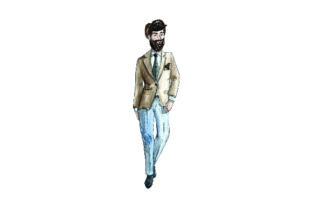
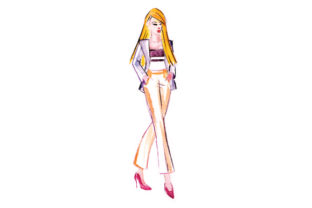
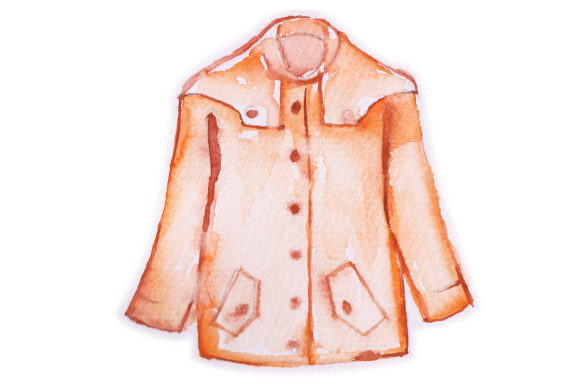
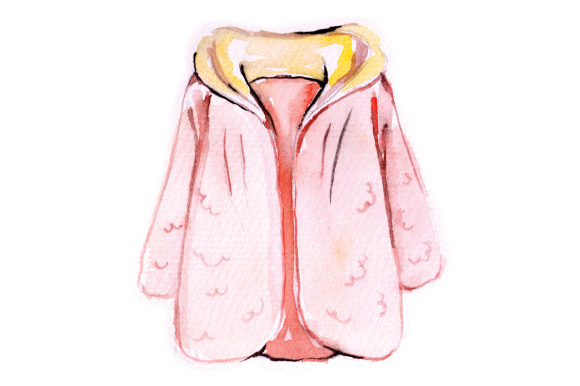
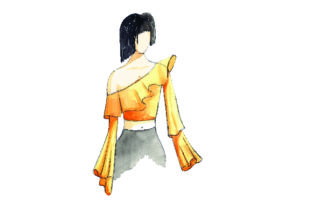
As a designer who has spent countless hours digitizing and stitching out thousands of patterns, I have learned that the difference between a good design and a great one often lies in its versatility. When I first loaded Blouse - Professional Looking Fashion Illustrations, in Watercolor and Line Art into my software, I was not just looking at a pretty picture. I was evaluating a potential asset for my craft business and considering how it would translate from screen to fabric. This is not just another generic floral motif; it is a stylized representation of fashion that bridges the gap between delicate watercolor aesthetics and clean line art.
First Impressions and Visual Mood
The immediate appeal of this design is its sophisticated simplicity. In the world of embroidery, less is often more, especially when dealing with intricate subjects like fashion illustrations. The blend of watercolor-style shading with crisp line work creates a mood that is both artistic and professional. It feels high-end, which is exactly what many Etsy sellers and boutique owners are trying to achieve with their handmade products.
From a technical standpoint, the layout is balanced. The lines are distinct enough to be followed by a machine needle without excessive jumping or thread breaks, yet soft enough to mimic the fluidity of a hand-drawn sketch. This duality makes it suitable for a wide range of applications, from casual tote bags to more refined home decor items.
Real-World Application: The Custom Tote Project
To truly test the viability of Blouse - Professional Looking Fashion Illustrations, in Watercolor and Line Art, I imagined a specific client project. A local boutique owner wanted to launch a line of canvas tote bags featuring minimalist fashion art. She needed something that looked expensive but could be produced efficiently.
I visualized this design stitched onto a natural cotton canvas. The line art elements would provide structure, while the implied watercolor effects—achieved through careful thread color blending—would add depth. For this type of tote bag design, the illustration serves as a focal point that draws the eye without overwhelming the fabric’s texture. Customers are increasingly drawn to items that feel curated and unique, and this design delivers that artisanal vibe.
Versatility Across Product Lines
Beyond tote bags, this illustration has significant potential in other areas of commercial embroidery. Consider its use on:
- Sweatshirt embroidery: Placed on the chest or back, the design adds a trendy, streetwear-inspired touch to plain hoodies.
- Aprons and kitchen towels: For a culinary brand or a cooking class gift, the fashion element adds a playful, stylish contrast to utilitarian items.
- Pillow covers: As part of a nursery decor or living room set, the soft aesthetic complements linen and cotton blends beautifully.
- Holiday gifts: It can be adapted for personalized gifts, such as adding a monogram within the blouse illustration for a bride or bridesmaid.
The key here is adaptability. Whether you are creating a personalized gift for a friend or stocking your small shop product inventory, the design holds up well across different mediums.
Technical Considerations for Stitching
While the visual appeal is strong, any experienced embroidery designer knows that beauty must be backed by technical stability. When working with Blouse - Professional Looking Fashion Illustrations, in Watercolor and Line Art, there are several factors to keep in mind to ensure a high-quality finished product.
First, consider the stitch density. Designs that mimic watercolor often rely on subtle gradients. If the density is too high, the fabric may pucker, especially on thinner materials like silk or lightweight cotton. Conversely, if the density is too low, the "watercolor" effect may look patchy. I recommend testing the design on scrap fabric similar to your final material to gauge how the thread lays down.
Second, think about thread colors. To achieve the watercolor look, you will need a palette that transitions smoothly. Avoid high-contrast jumps unless the design specifically calls for them. Soft pastels, muted earth tones, or classic blacks and grays for the line art work best. Always check your thread chart against the digital preview to ensure the hues match your vision.
Fabric and Hoop Constraints
This design performs best on stable fabrics. While it can be used on stretchy materials like jersey for t-shirts, proper stabilization is non-negotiable. Use a cut-away stabilizer for garments that will be washed frequently to prevent distortion. For textured fabrics like wool or heavy canvas, the fine lines of the illustration might get lost. In such cases, increasing the stitch thickness or simplifying the color palette can help maintain clarity.
Also, be mindful of hoop size. Ensure that the entire illustration fits comfortably within your hoop with adequate margin for the frame. If you are stitching on curved surfaces like caps, the design may need to be resized or simplified to avoid distortion during the stitching process.
Enhancing Brand Value and Customer Trust
For Etsy sellers and creative entrepreneurs, the choice of design assets directly impacts brand perception. Using a professional-looking illustration like this one signals attention to detail and quality. It helps build customer trust because the end result looks polished and intentional, not amateurish.
When you use high-quality design assets, your handmade product stands out in a crowded marketplace. Buyers can often tell the difference between a hastily downloaded clipart and a thoughtfully integrated embroidery design. This distinction can justify higher price points and encourage repeat business.
Moreover, this design works well for printable mockups and digital previews. Before you even stitch a single thread, you can create compelling marketing images that show potential customers how the design will look on various products. This saves time and reduces waste, allowing you to test market interest before committing to production.
Final Designer Notes
Before launching any project with Blouse - Professional Looking Fashion Illustrations, in Watercolor and Line Art, take these practical steps:
- Test on scrap fabric: Always run a test stitch to check for thread breaks, tension issues, and color accuracy.
- Check licensing: Confirm whether the design allows for commercial use if you plan to sell finished items. Never assume; always read the terms provided by the creator, such as those from Beauty Amp or other reputable sources.
- Inspect small details: Zoom in on the digital file to ensure that tiny lines are not too close together, which could cause merging during stitching.
- Consider the audience: Does this design fit your brand’s aesthetic? Will your target customers appreciate the fashion-forward theme?
In conclusion, this illustration is a versatile and stylish addition to any embroidery designer’s library. It offers a blend of artistic flair and technical feasibility that makes it suitable for a wide range of embroidery projects. By paying attention to fabric choice, stabilization, and thread selection, you can transform this digital file into a stunning physical product that delights customers and enhances your brand’s reputation.