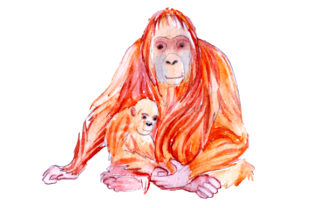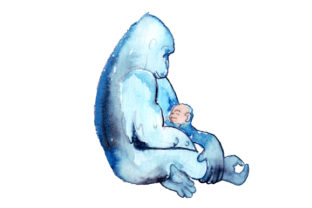
Mom and Baby Gorillas in Watercolor Style
As a graphic designer who has spent over a decade refining brand identities and creating marketing visuals for small businesses, I have learned that the right graphic design asset can make or break a project. Recently, I was tasked with developing a visual concept for a boutique children’s clothing line that emphasizes organic materials and gentle parenting. The client wanted something soft, emotional, and deeply connected to nature. This is where Mom and Baby Gorillas in Watercolor Style entered my workflow. After integrating this illustration into several mockups, I am ready to share my professional assessment of its utility, aesthetic value, and technical performance in real-world commercial design scenarios.
First Impressions and Visual Mood
The immediate impact of this watercolor illustration is its tenderness. Unlike rigid vector graphics or flat digital art, the watercolor medium introduces organic imperfections, soft edges, and a natural flow of color that feels hand-painted. The depiction of the mother and baby gorilla creates an instant emotional hook, which is crucial for brands targeting parents or animal lovers. The style represents a blend of realism and artistic interpretation, making it ideal for projects that require warmth and authenticity. It does not feel sterile or corporate; instead, it exudes a handmade quality that aligns perfectly with the current trends in handmade business branding and eco-conscious marketing.
Versatility Across Design Mediums
One of the primary concerns when selecting a digital product is its adaptability. I tested this asset across various formats to see how it holds up. For packaging design, the soft hues of the watercolor blend beautifully with kraft paper textures, creating a rustic yet premium look for product labels. In the realm of print-on-demand, such as t-shirt design or tote bags, the illustration serves as a strong central focal point. Because the background is typically transparent in high-quality PNG files, it layers seamlessly over fabric colors without leaving harsh white boxes.
For digital applications, this asset shines in social media graphics. I used it to create Instagram posts and Pinterest pins for a wildlife conservation blog. The emotional resonance of the gorillas increased engagement rates compared to standard stock photography. It also works well as a decorative accent in editorial design, such as magazine headers or blog post featured images, where it adds a touch of sophistication without overwhelming the text. If you are using Canva, this type of clipart integrates smoothly into templates, allowing non-designers to maintain a cohesive look.
Strategic Placement and Layout Considerations
Understanding where to place this illustration is key to maintaining visual hierarchy. It performs best in large layout areas where the details of the watercolor brushstrokes can be appreciated. It is an excellent choice for hero graphics on landing pages or as the main visual on invitation cards. However, designers must be cautious when using it in crowded layouts. The intricate details of the fur and the subtle color gradients can get lost if the image is scaled down too small. Therefore, it is not suitable for tiny icons or favicons.
Additionally, this asset should be used carefully against complex backgrounds. Since watercolor art often has soft, semi-transparent edges, placing it over a busy pattern can reduce contrast and make the subject appear muddy. It thrives on clean, light backgrounds or solid dark colors that provide sufficient contrast. For minimalist branding, ensure that the rest of the design elements are simple enough to let the illustration breathe. Overloading the composition with too many fonts or shapes will detract from the emotional power of the gorillas.
Impact on Brand Identity and Readability
Incorporating Mom and Baby Gorillas in Watercolor Style into a brand identity signals empathy, care, and natural beauty. It enhances small business branding by differentiating it from competitors who use generic clipart. However, readability remains a priority. When pairing this illustration with typography, I recommend using clean sans serif fonts for modern appeal or elegant script fonts for a more whimsical feel. Avoid heavy display fonts that might compete with the visual weight of the artwork. The goal is to create a harmonious balance where the text supports the image, and the image elevates the message.
Practical Designer Notes and Technical Checks
Before finalizing any client project, I always run a series of technical checks. First, test the asset in black and white to ensure it retains its form and contrast. This is crucial for single-color printing methods like screen printing for sticker design or embroidery. Next, check the file formats. A high-resolution PNG is essential for print quality, while an SVG design or vector file is preferable if you need to scale the image infinitely without losing quality. If you are working on a Cricut project, verify that the cut lines are clean and that the transparency is properly handled.
Always preview the design on real mockups. What looks good on a screen may appear different on physical products like mugs or sublimation prints. Inspect the edges for any pixelation or unwanted artifacts. Furthermore, confirm the licensing terms. Ensure that the commercial license covers your specific use case, whether it is for digital sales, physical products, or client work. Using assets from a reputable creative marketplace ensures that you are compliant with copyright laws and supporting the original artist.
Final Verdict for Professional Use
Mom and Baby Gorillas in Watercolor Style is a versatile and emotionally resonant asset that fits well within the Animals category of design resources. It is particularly effective for brands that value storytelling and emotional connection. Whether you are creating a design bundle for Etsy, developing marketing visuals for a local event, or designing a Canva template for social media, this illustration adds a layer of professionalism and artistic flair. By respecting its limitations regarding size and background complexity, designers can leverage this asset to create compelling, high-quality work that resonates with audiences and strengthens brand identity.