Groom Hat in Watercolor: A Designer's Review
As a designer who has spent years curating machine embroidery designs for both personal projects and client orders, I know that the difference between a good design and a great one often lies in how it translates from screen to fabric. Today, I am evaluating the Groom Hat in Watercolor, a digital asset categorized under Wedding themes. Before you download this file or feature it in your shop listings, let’s walk through exactly how this design performs in real-world stitching scenarios.
First Impressions: Mood and Visual Personality
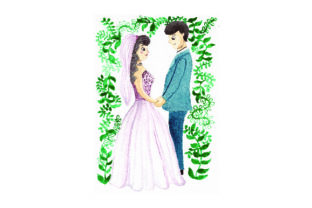
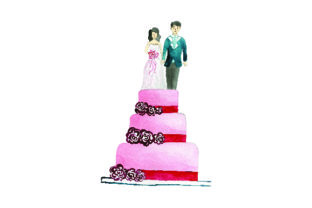
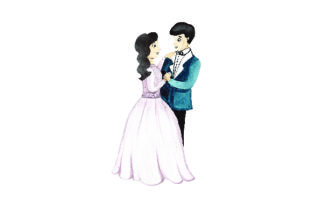
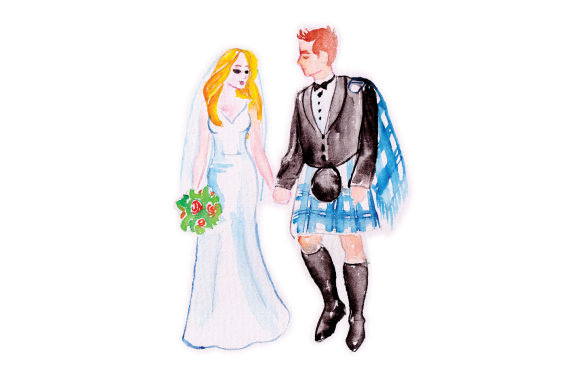
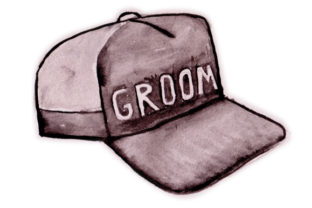
When I first opened the preview of the Groom Hat in Watercolor, the immediate takeaway was softness. Unlike traditional wedding embroidery that often relies on rigid lines, sharp contrasts, or heavy satin stitch borders, this design leans into an artistic, painterly aesthetic. The watercolor effect suggests a blend of thread colors that mimic brush strokes rather than solid blocks of color. This creates a romantic, slightly whimsical mood that feels perfect for modern, non-traditional weddings or gender-neutral celebrations.
The shape is compact yet expressive. It does not demand a massive hoop size, which is a significant advantage for small business owners working with limited equipment. However, the visual personality relies heavily on the interplay of light and shadow within the stitches. If the thread colors are chosen poorly, the watercolor illusion could collapse into a muddy mess. As an experienced embroiderer, my instinct is to treat this as a delicate piece that requires careful color selection to maintain its artistic integrity.
Real-World Application: Where It Shines
Let’s talk about a specific scenario. Imagine you are preparing a custom order for a couple planning a bohemian-style wedding. They want personalized tote bags for their bridesmaids and groomsmen. A standard, bold logo might feel too corporate for their vibe. Here, the Groom Hat in Watercolor becomes a standout choice. Embroidered on a high-quality cotton canvas tote bag, the soft gradients of the design would complement the natural texture of the fabric beautifully.
This design also excels in custom apparel like sweatshirts or lightweight flannel shirts. Because the watercolor style is inherently organic, it tolerates the slight puckering that can sometimes occur on knit fabrics better than geometric designs do. For an Etsy seller looking to create unique personalized gifts, such as a commemorative pillow cover or a kitchen towel for the newlyweds, this file offers a sophisticated look that elevates the perceived value of the finished product.
I have also considered using this as an embroidered patch. While patches usually require bold outlines, the watercolor aesthetic could work well if backed by a felt material that matches the background tone, creating a seamless, artistic applique-like effect. It is particularly effective for boutique branding where the goal is to project creativity and attention to detail.
Navigating Challenges: Fabric and Hoop Considerations
While the Groom Hat in Watercolor is versatile, it is not without its challenges. As a reviewer, I must advise caution when applying this design to certain materials. First, avoid using it on highly textured fabrics like heavy denim or thick wool. The intricate details of the watercolor shading may get lost in the weave, resulting in a lackluster appearance. Similarly, stretchy fabrics require significant stabilization; without a proper stabilizer, the delicate fill stitches could distort, ruining the smooth gradient effect.
Dark fabrics present another hurdle. The watercolor style typically relies on lighter tones to achieve its ethereal look. Stitching this design on black or navy fabric would likely require a significant amount of underlay or a white backing layer to make the colors pop. Without this, the design may appear dull and indistinct. Always test your machine embroidery design on a scrap piece of the actual fabric you intend to use before committing to the final project.
Furthermore, be mindful of the hoop size. While the design is compact, the quality of the watercolor effect depends on the density of the fill stitch. If you attempt to resize the design too small to fit a 4x4 inch hoop, the subtle color transitions may disappear, leaving you with pixelated-looking threads. Conversely, resizing it too large could cause registration issues between different thread colors. Stick close to the original dimensions recommended by the designer to ensure the best results.
Technical Execution: Tips for Flawless Stitching
To get the most out of this digital embroidery file, technical precision is key. Start by reviewing the stitch density. Watercolor effects often rely on overlapping stitches of varying opacity. If your machine tension is off, these layers will not blend correctly. I recommend running a test stitch on a piece of muslin or scrap fabric to check for puckering and color blending.
Color contrast is equally important. When selecting thread colors, aim for a palette that mimics actual watercolor paints—think muted blues, soft pinks, and pale grays rather than neon or primary colors. Using a printable mockup can help you visualize how these colors will interact before you even load the machine. Compare the design against both light and dark fabric backgrounds in your software to anticipate any visibility issues.
For those planning to sell items featuring this design, always confirm the licensing terms. Many commercial embroidery licenses allow you to sell finished goods but restrict the resale of the digital file itself. Ensure you have the right to use the Groom Hat in Watercolor for your craft business, whether you are making a single holiday gift or producing a batch of small shop products.
Final Verdict: Is It Worth Your Time?
In conclusion, the Groom Hat in Watercolor is a thoughtful addition to any wedding-themed collection. It offers a fresh alternative to traditional embroidery styles, appealing to couples who value artistry and modern aesthetics. Its strength lies in its ability to transform simple items like tote bags, towels, and apparel into meaningful, high-end keepsakes.
However, success with this design depends on your execution. It demands attention to stabilizer choice, fabric texture, and thread color harmony. If you are willing to put in the effort to test and refine your settings, this design can significantly enhance your brand consistency and customer trust. For hobbyists, it is a fun challenge; for professional decorators, it is a valuable asset that can differentiate your offerings in a crowded market. Just remember: always test first, stabilize well, and choose your fabrics wisely to let the watercolor magic truly shine.